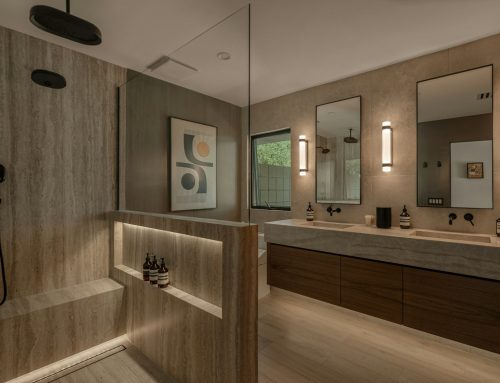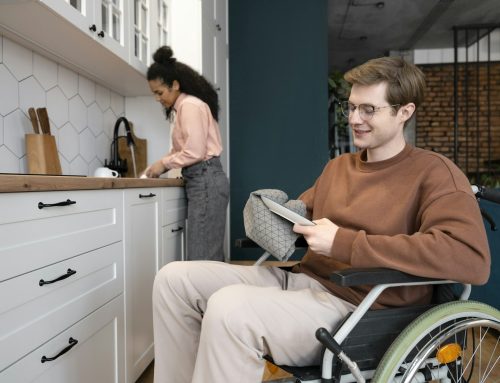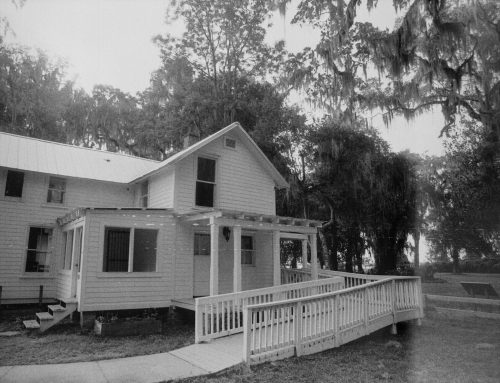
Ramps, accessible bathrooms and wider doorways can make it possible to stay safely at home, but the cost is a real concern for many families. The good news is that several programs can help. The less good news is that each one has its own rules, waiting lists and paperwork. This guide summarizes the main options for Georgia homeowners so you know where to start.
Figures checked in November 2026. Program amounts and availability change, so always confirm the current details with the agency before you plan around them.
1. VA housing grants for veterans
The U.S. Department of Veterans Affairs offers disability housing grants for veterans and service members with certain service-connected disabilities. For fiscal year 2027 (October 1, 2026 to September 30, 2027), the VA lists these maximums:
- Specially Adapted Housing (SAH) grant: up to $133,042, for qualifying disabilities such as the loss or loss of use of more than one limb, blindness in both eyes or ALS.
- Special Home Adaptation (SHA) grant: up to $26,654, for qualifying disabilities such as the loss or loss of use of both hands, certain severe burns or certain breathing injuries.
- Temporary Residence Adaptation (TRA): up to $53,585 for SAH-eligible and up to $9,568 for SHA-eligible veterans who are living temporarily in a family member’s home.
You apply with VA Form 26-4555, online at VA.gov, by mail or at a VA regional office. The VA reviews eligibility and the planned changes before work begins, so contact them before you sign a construction contract.
2. Georgia’s Home Access Program
The Georgia Department of Community Affairs (DCA) funds the Home Access Program, which helps homeowners with disabilities make modifications such as ramps, bathroom retrofits, lowered cabinets and wider doorways. The program is administered through the Statewide Independent Living Council of Georgia (SILCGA) and local Centers for Independent Living. The home must be owner-occupied and the household must meet income guidelines. Funding is limited, so contact your local Center for Independent Living to ask about current availability and how to apply.
3. Medicaid waiver programs
Some Georgia Medicaid home and community-based waiver programs can cover home modifications for eligible members. The Independent Care Waiver Program (ICWP), for adults with significant physical disabilities, includes environmental modifications among its services. If you or a family member already receive waiver services, ask your case manager whether a modification can be included in the care plan.
4. Your local Area Agency on Aging
Area Agencies on Aging connect older adults and caregivers with local services, which sometimes include home repair or modification help. In our service area, the Atlanta Regional Commission serves the core metro counties (including Fulton, Cobb, DeKalb and Gwinnett), and Legacy Link serves North Georgia counties including Forsyth and Hall. They can also tell you about city or county programs, which open and close throughout the year.
5. Georgia’s Disabled Person Home Purchase or Retrofit Credit
Georgia offers a state income tax credit when an eligible person with a disability retrofits an existing single-family home with certain accessibility features. The credit is the lower of the actual cost or $125 per qualifying feature, up to $500 in total; buying a new home that already includes all of the features qualifies for up to $500. The person with a disability must be the taxpayer (or spouse on a joint return) and hold a permanent disability parking permit, and unused credit can be carried forward for up to three years. Check the Georgia Department of Revenue for the list of qualifying features.
6. Federal medical expense deduction
According to IRS Publication 502, the cost of certain home improvements made for medical reasons, such as ramps, widened doorways, grab bars, lowered cabinets and modified bathrooms, may be deductible as a medical expense. Generally, you can include the cost minus any increase in your home’s value, and many accessibility changes add little or no value. The deduction only helps if you itemize, and only the portion of total qualifying medical expenses above 7.5% of your adjusted gross income counts. Talk with a tax professional before you rely on it.
7. Other ways families cover the cost
- Phasing the work. Start with the most urgent safety items, such as grab bars, a safer entry or the bathroom, and plan the rest over time.
- Home equity or renovation financing, which some families use to complete the full project at once.
- Nonprofit and volunteer repair programs in some counties, often for seniors with limited income.
Tips before you apply
- Ask each program whether you need approval before the work starts. Many will not pay for work that is already done.
- Get a written scope and estimate that lists each modification separately; programs and tax rules often treat features individually.
- Keep receipts, photos and any letter from a doctor or therapist describing the need.
- Expect waiting lists, and apply early.
ATL Contracting and Design can prepare a clear, itemized scope for your project so you can share it with the program you apply to. Learn more about our home accessibility remodeling, including wheelchair ramps and safe entry and accessible bathrooms.
Related reading: Accessible kitchen counter heights and clearances
Talk to ATL Contracting and Design
Have questions about planning a modification around a grant or a budget? Call (770) 281-9382 or send us a message to schedule a free consultation. We serve homeowners in Cumming, Buford, Gainesville, Sugar Hill, Alpharetta, Johns Creek, Milton, Sandy Springs, Dunwoody, Marietta and Atlanta (see our service area).
Sources
- U.S. Department of Veterans Affairs, Disability housing grants for Veterans (FY 2027 amounts).
- Georgia Department of Community Affairs, Home Access Program.
- Georgia Department of Revenue, Disabled Person Home Purchase or Retrofit Credit (O.C.G.A. 48-7-29.1).
- Internal Revenue Service, Publication 502, Medical and Dental Expenses.
- Georgia Division of Aging Services, Area Agencies on Aging.
This article is general information, not legal, tax or benefits advice. ATL Contracting and Design does not administer or decide eligibility for any of these programs.
Written by the ATL Contracting and Design team. Our founder, Maria Alejandra Blanco, is a civil engineer with 15 years of residential and commercial construction experience and a certified home inspector.